2025 TV Market Revealed: The Perfect Fusion of Ultra HD and Smart Features
TVs & home theaterWith the continuous advancement of technology, the television has gradually evolved from being just a “home entertainment tool” to becoming a central device in household life. Over the past decade, TVs have become not only devices for displaying images but have also increasingly integrated intelligent, interactive, and even artificial intelligence (AI) functionalities, providing an unprecedented viewing experience. By 2025, the perfect fusion of ultra-high-definition display technology and smart features has become a major highlight in the TV market. Today’s TVs not only demand more delicate picture quality but also require rich smart functionalities to meet the diverse needs of users. I will analyze the latest technologies, trends, and popular products in the 2025 TV market to help you understand how these innovations are reshaping our viewing experiences.
1. Revolution in Ultra HD Display Technology
With the continuous progress of display technology, ultra-high-definition (UHD) TVs have become mainstream. By 2025, 4K and 8K TVs have become the standard, and higher resolutions and stronger display technologies have quietly transformed the way we watch TV programs.
4K and 8K Resolutions
In recent years, 4K TVs have become the mainstream, but by 2025, most TVs now come equipped with 8K display technology. The resolution of 8K TVs is 7680 x 4320 pixels, which is four times the resolution of 4K. This ultra-high resolution makes the TV screen’s details much richer, and even with large-screen TVs, there is no issue of pixelation.
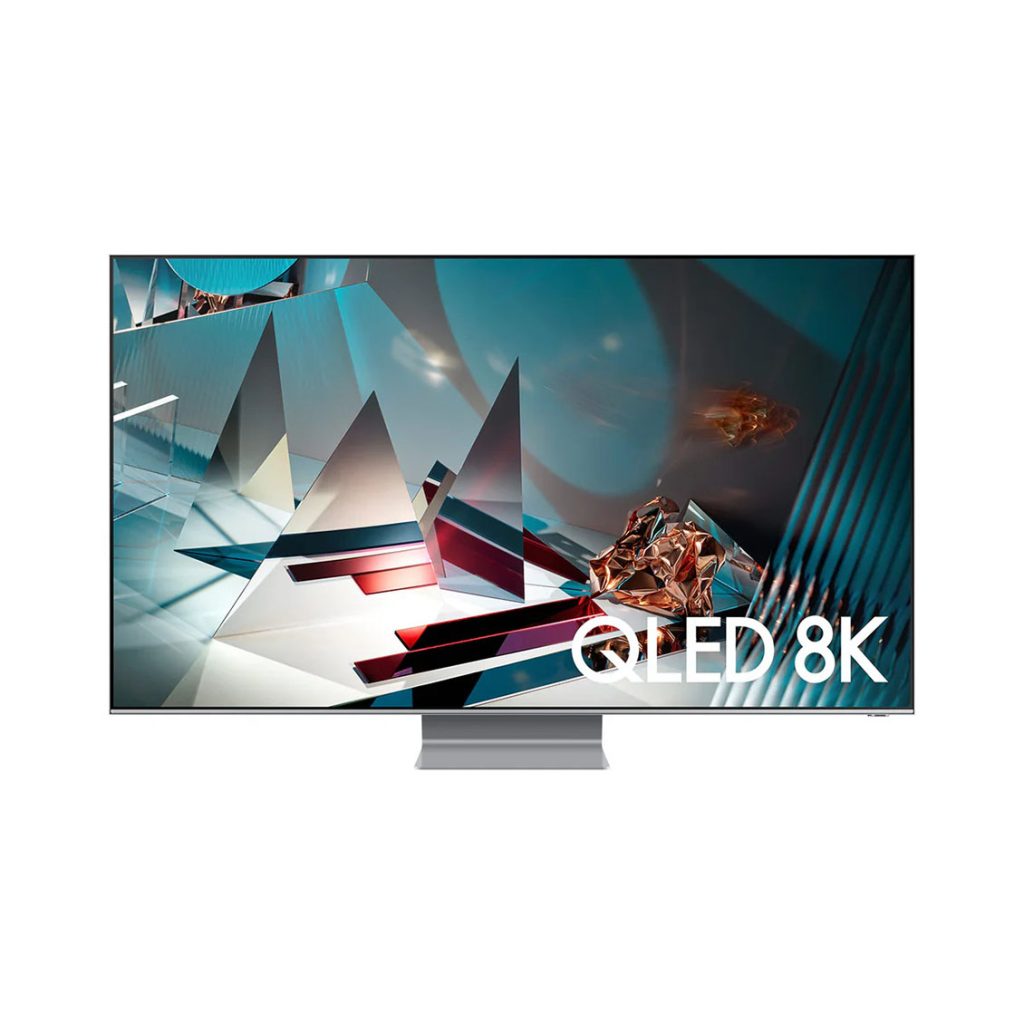
For example, Samsung’s QLED 8K TV released in 2025 uses quantum dot technology (QLED) and AI image enhancement technology, providing incredibly clear and vibrant images from any viewing angle. Whether watching sports events or appreciating film details, it delivers an astonishing visual experience.
HDR Technology and Color Performance
In addition to resolution, color performance is another key upgrade for TVs in 2025. The application of High Dynamic Range (HDR) technology has significantly expanded the TV’s capability in brightness, contrast, and color reproduction. The latest TV models of 2025 commonly support HDR10+ and Dolby Vision technologies, delivering higher contrast and richer color details, especially when watching dynamic scenes where color transitions are more natural and smooth.
For instance, Sony’s Bravia XR series TV, with its unique XR image processing engine, enhances the detail of bright and dark areas, creating a more layered picture. When watching high dynamic range films, it offers a more immersive visual and audio experience compared to standard TVs.
2. Comprehensive Upgrade of Smart Features
The rapid development of smart TVs has changed the way we interact with televisions. From simple internet connectivity in the past to full-fledged smart capabilities today, the smart features of 2025 TVs have entered a whole new phase.
Artificial Intelligence and Voice Assistants
By 2025, TVs have become increasingly smart, with artificial intelligence (AI) and voice assistants as standard configurations. Today’s TVs can not only be controlled through voice commands to select programs, adjust the volume, and even control other smart home devices, but AI can also learn user viewing habits to recommend personalized content.
For example, the LG OLED G3 series TV released in 2025 is equipped with the latest webOS AI platform. It recommends movies or TV programs based on the user’s viewing history and interests, and it can also interact with other smart devices through the voice assistant, creating a more intelligent home environment.
Internet of Things (IoT) and Home Interconnectivity
The development of the Internet of Things (IoT) has made the TV the center of home interconnectivity. Smart TVs in 2025 are not just entertainment hubs; they can also seamlessly connect with other devices in the home, such as smart speakers, lights, and air conditioners. Through TV apps, I can control other smart devices in the house, making life more convenient.
For example, Samsung’s Neo QLED TV can connect with the Bixby voice assistant to control various smart devices in the home, such as adjusting the temperature, turning on lights, or even controlling a smart fridge. Whether watching a movie or using it daily, the interconnectivity of the home environment makes life more intelligent.
Cloud Services and Integration with Streaming Platforms
2025’s smart TVs not only support mainstream streaming platforms (such as Netflix, Disney+, Amazon Prime Video, etc.), but they are also deeply integrated with cloud services to provide a richer content selection. For example, TVs from LG, Samsung, and Sony automatically sync the latest streaming content based on user viewing habits.
Additionally, 2025 TVs support higher-quality streaming playback, especially when playing 4K and 8K resolution content, offering smoother and higher-quality images. For example, Amazon’s Prime Video already supports 8K content, and many of the TVs launched in 2025 fully support 8K video playback.
3. The Design and User Experience of Future TVs
In addition to picture quality and smart features, the design of TVs in 2025 has also undergone a revolution. Frameless designs, ultra-thin bodies, and more lightweight structures make TVs not just the center of home entertainment but also an integral part of modern home decor.
Ultra-Thin Design and Frameless Screens
TVs in 2025 generally adopt ultra-thin designs, giving them a more stylish and minimalist look. The application of OLED and QLED technologies has not only improved the clarity of the display but also made the screens thinner. The frameless design is also a major trend in recent years, with many high-end TVs having almost no borders, with the screen extending almost to every edge of the TV, greatly enhancing the visual impact.
For example, Samsung’s Neo QLED TV adopts an ultra-thin design, combined with a frameless display, creating an extraordinary immersive experience.
Personalized Content Recommendations and User Interface
The user interface of 2025 TVs has become simpler and more personalized. Whether in the operating system, main menu interface, or content recommendation algorithms, all designs are optimized around user experience. AI algorithms recommend personalized content based on the user’s viewing history, interests, and viewing times. Through deep integration with streaming platforms, users can more easily find the programs or movies they are interested in.
For instance, Sony’s Bravia XR series TV features a more intelligent recommendation system that not only suggests content based on the user’s viewing habits but also integrates AI technology to automatically optimize aspects such as picture quality and sound, enhancing the overall viewing experience.
4. Market Trends and Consumer Choices
With the rapid development of technology, the TV market in 2025 has undergone significant changes. Both the improvement of ultra-high-definition picture quality and the diversification of smart features have made consumers’ considerations when choosing a TV more multifaceted.
The Popularization of Ultra HD TVs
Currently, 4K TVs are the mainstream in the market, and while 8K TVs remain at a higher price point, with the maturation of technology and declining production costs, 8K TVs are gradually entering the mainstream market by 2025. For consumers who have extremely high demands for picture quality, 8K TVs are undoubtedly the best choice, while 4K TVs remain the most cost-effective option.
Smart TVs Becoming the Home Hub
More and more consumers are not only paying attention to the picture quality and sound performance of their TVs but are also considering smart features as an important criterion when choosing a TV. In particular, the convenience brought by smart TVs in terms of home entertainment, IoT device control, and personalized recommendations can no longer be ignored.
For example, on Amazon.com, the latest LG OLED and Samsung Neo QLED series TVs of 2025 have received high praise from consumers, especially in terms of their smart functions and picture quality performance, making them the top choices for many buyers.
5. Outlook
The TV market of 2025 has undoubtedly ushered in the perfect fusion of ultra-high-definition and smart features. From the improvement of 4K and 8K resolutions to the deep integration of AI, IoT technologies, and streaming services, TVs have become not only entertainment tools but also the intelligent hub of home life. For consumers who seek ultimate picture quality and a smart experience, the TV products of 2025 will undoubtedly provide a richer and more convenient viewing experience.






Leave a Reply